
Electric Vs Gas Cars: Which One Is Safer?
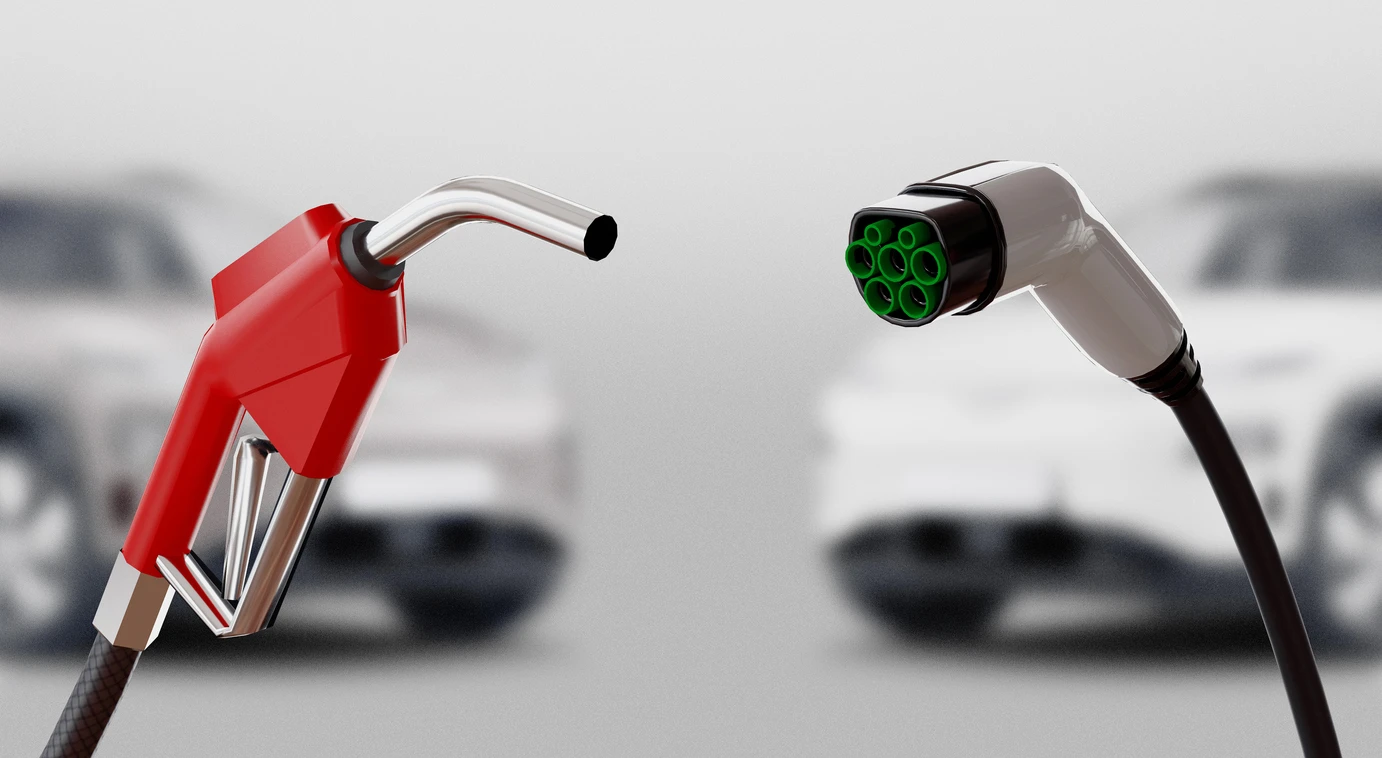
In this new environment of electric cars on American roads, many drivers pose simple questions: are electric cars and gas-powered cars actually safer? The answer lies in our definition of safety. Other attributes include crash behavior, fire hazard, rollover rate, pedestrian contact hazards, mechanical dependability, California electric car law, and safe behavior of the vehicle within emergency protocols.
Crash Safety and Mechanical Design
Unlike conventional internal combustion engine vehicles, electric vehicles have different engineering elements. Rather than a big engine block in the front, EVs come filled with these big battery packs mounted on the vehicle floor. The design decreases the vehicle’s center of gravity, which in turn can decrease rollover risk. Vehicles with lower centers of gravity show relative stability during crash scenarios in general, according to the National Highway Traffic Safety Administration’s data. At the same time, electric vehicles tend to be heavier than comparable gas ones courtesy of their battery systems.
Greater weight increases structural stability and crash absorbers, but that also increases the transfer of force between vehicles in a multi-car collision. According to crash test data from the Insurance Institute for Highway Safety, many of today’s EVs perform equally well with gasoline vehicles of similar size in front, side, and rollover crash tests. Structurally speaking, today’s electric vehicles and low emission vehicles are not inherently less safe in collisions.
Fire Hazard: Frequency vs. Severity Concern
News about fires from electric vehicles has been in extensive media coverage. Gasoline vehicles contain combustible fuel that can ignite rapidly without warning after close contact with other vehicles. Electric vehicles use lithium-ion battery systems that, while typically steady, can lead to thermal runaway when they are hit with a blow.
Investigations by the National Transportation Safety Board (NTSB) indicate more frequent vehicle fires in gasoline-powered vehicles, as a whole. EV-type battery fires burn hotter and tend to require a more specialized approach to firefighting. In some cases, the batteries can ignite again if not fully extinguished. It should be noted that a difference is important. Gasoline vehicles have more fire incidents in total, whereas electric vehicles, though less common, have more complex responses. Statistically, neither type of vehicle has a significantly higher fatality rate simply because of a fire.
Safety For Pedestrians And Vehicle Noise
A big difference between electric and gas vehicles is sound. Electric vehicle makes nearly no noise operating at low speeds that worried about pedestrians’ perception. In response, the National Highway Traffic Safety Administration established laws mandating that electric and hybrid vehicles emit artificial noise under low speeds to alert pedestrians and cyclists. Gas vehicles emit engine noise by default, and it provides an audible warning in parking lots and other residential public areas. The pedestrian safety gap diminished significantly when the federal sound requirements were adopted. Both vehicles now must satisfy the same alert standards for low speeds.
Driver Assistance Tech – The Future of Electric Vehicles
Safety is becoming more technology than fuel specific. A number of electric vehicles are even built out with sophisticated assistance features, with automatic emergency brakes, lane departure warnings and adaptive cruise control. Though these functions can also be found in gas vehicles, California EV sales producers often put them together as everyday gear. Automatic emergency braking greatly reduces rear-end collisions, the Insurance Institute for Highway Safety research has found. It suggests that the availability of cutting-edge safety equipment could be more important than whether a car is powered by electricity or gasoline.
Maintenance and Mechanical Risk
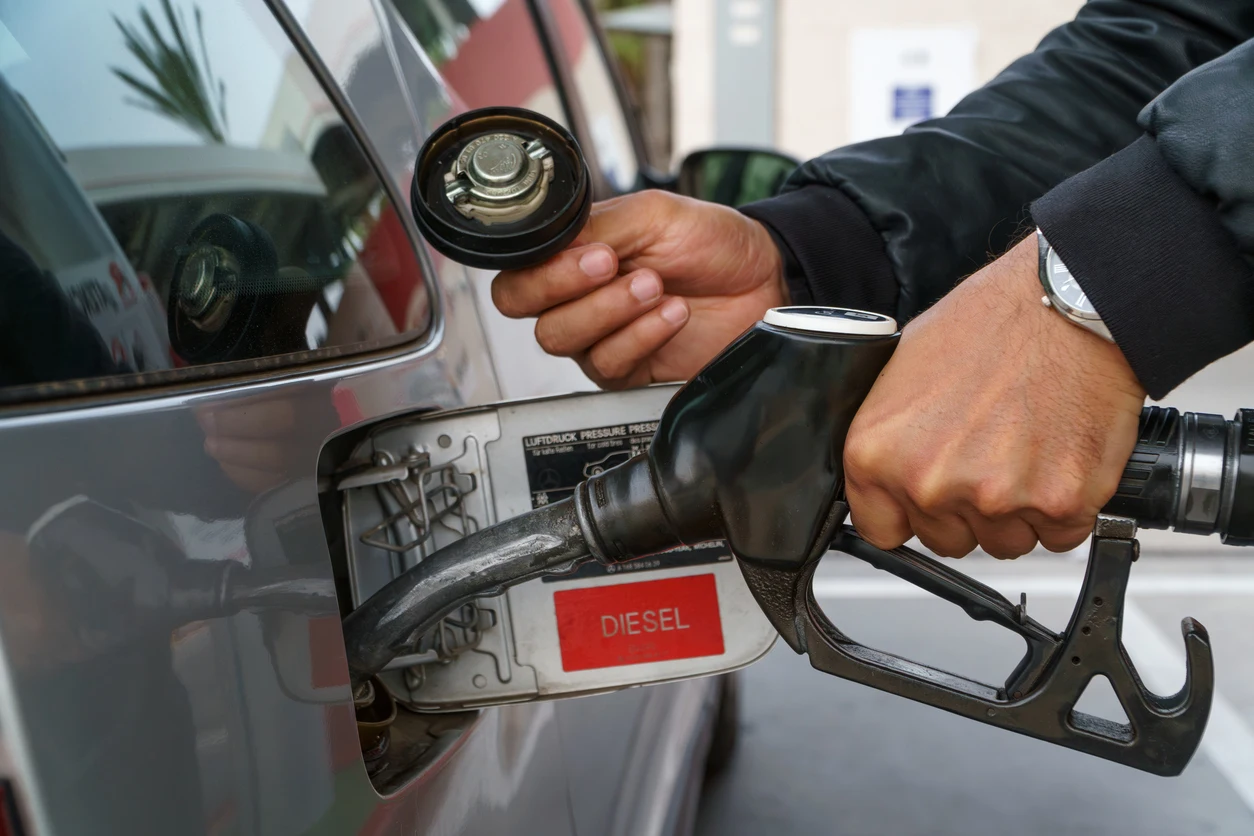
The vehicle range is larger for the gas, as it involves a greater number of moving parts such as engines, transmissions, exhaust systems and fuel. Over time, these systems’ wear and tear can create mechanical hazards if not properly maintained. Fuel system leaks and hot engine overheating are long safety concerns. Electric vehicles remove many of these components, including those on an electric basis, while introducing high-voltage battery systems that require specific handling. Improper handling can also create risk from improper repairs to battery packs. But producers build battery enclosures with fortified casings, automatic disconnect solutions, and cooling provisions to reduce post-crash dangers. Organizations, such as the National Fire Protection Association, offer new recommendations to emergency responders for responding to electric vehicle incidents, in recognition of increased awareness and better practices across the country.

What the Wider Data Shows
National crash and safety statistics provide little if any evidence for the claim that electric vehicles are significantly more dangerous than gas vehicles. A lot of EVs get top safety ratings from the Insurance Institute for Highway Safety and the National Highway Traffic Safety Administration. In fatal crashes, driver behavior and road conditions, along with vehicle size and safety technology, have a much greater impact than the fuel source driving the vehicle. All vehicle types share speeding, distracted driving, and impaired driving as major contributors to both accidents and fatalities. In practice, a modern, highly rated vehicle that incorporates the latest safety technology — either electric or gas — is far safer than a previous car that did not.
Conclusion
The electric versus gas vehicle safety debate is far from a straightforward matter. Electric vehicles have lower centers of gravity, fewer number of fires, and many safety systems are commonly used. Gasoline vehicles owe much to decades of engineering development and existing experience in emergency response. Finally, the safest vehicle is one that is safe, built of solid construction, equipped with state of the art crash-prevention systems that are up-to-date and well maintained. Its fuel does not dictate safety in itself. The design of vehicles, regulations, and human behaviors have a much bigger influence on what happens on the road.
Share this Post
Categories
Archives
- March 2026
- February 2026
- January 2026
- December 2021
- August 2021
- June 2020
- April 2020
- March 2020
- August 2019
- July 2019
- June 2019
- May 2019
- April 2019
- January 2019
- November 2018
- October 2018
- September 2018
- August 2018
- July 2018
- June 2018
- May 2018
- April 2018
- March 2018
- February 2018
- January 2018
- November 2017
- October 2017
- September 2017
- August 2017
- July 2017
- June 2017
- May 2017
- April 2017
- March 2017
- February 2017
- January 2017
- December 2016
- November 2016
- October 2016
- September 2016
- August 2016
- July 2016
- June 2016
- May 2016
- April 2016
- March 2016
- November 2015
- February 2014
- January 2014
- December 2013
- November 2013
- October 2013
- September 2013
