
Driving on Rainy Days in California – The Risks of Getting Hit and What Statistics Say
California loves sunshine, but it also appears to experience more traffic crashes when the rain falls. And after weeks of dry air, oil piles up on roads when the first rain falls, visibility falls, and drivers who are inexperienced in wet weather may overestimate speed and braking length. If you want to know whether or not California’s rain is causing crashes, it is worth considering California car law, crash data across the state, and driving behaviors that are thought to be relevant to collision risk at storm events, too.
Rain: Why does it pose unique hazards for California here?
Although many parts of California experience sustained drought, there are plenty of dry spells, many times with long delays compared to states with regular rain events. When the first measurable rain starts coming down — especially after months without a major storm over the region — road surfaces can become extremely slick. In that case, the combined effects of water and an oil spill mean that tire traction drops and then gains less. The California Highway Patrol (CHP) has consistently identified spikes in spinouts, rear-end collisions, and multi-vehicle collisions during the first major storms of the season.
Wet pavement makes less contact friction, more braking distanc,e and less steering. Even a light drizzle could change braking performance dramatically at highway speeds. There is the problem of hydroplaning above 35 mph as the tire tread loses contact with the pavement surface because of standing water. Poor drainage and heavy traffic in places like Los Angeles and the Bay Area can exacerbate these risks.
Data on Weather-Related Crashes
According to an official Federal Highway Administration (FHWA) report, about 21 percent of the nation’s vehicle crashes are weather-related, with most occurring on wet pavement. Rain is responsible for the overwhelming majority of such accidents.
Thousands of deaths occur annually in crashes when there is rain, according to the National Highway Traffic Safety Administration (NHTSA). Other states may have winter dangers with snow and ice, but in California, rain is the main weather-related crash factor. Compiled through California’s Statewide Integrated Traffic Records System, statewide collision reports show an increase in crashes on days that have measurable precipitation. Urban freeways experience a higher incidence of rear-end crashes on storm days versus more single-vehicle runs off-road incidents on rural highways.
First Storm Effect: The Problem Was Earlier Season Rain
Transportation safety researchers have long said that there is a phenomenon named the “first storm effect.” The first rain makes the road especially slippery after a very long dry period. Because many drivers have been without negotiating rain for months, they have also lost practice with wet-weather driving. As a result, during the first storms of the season, the California Department of Transportation frequently releases advisories advising drivers to slow down and go further along a route as soon as possible. We conclude from the pattern between the data that the collision rate tends to peak in the very first major precipitation events in late fall. The risk levels typically settle following several storms, after the surface oil has been removed, though wetness always stretches braking distance.
Urban Over-Crowding and Rain Amplification
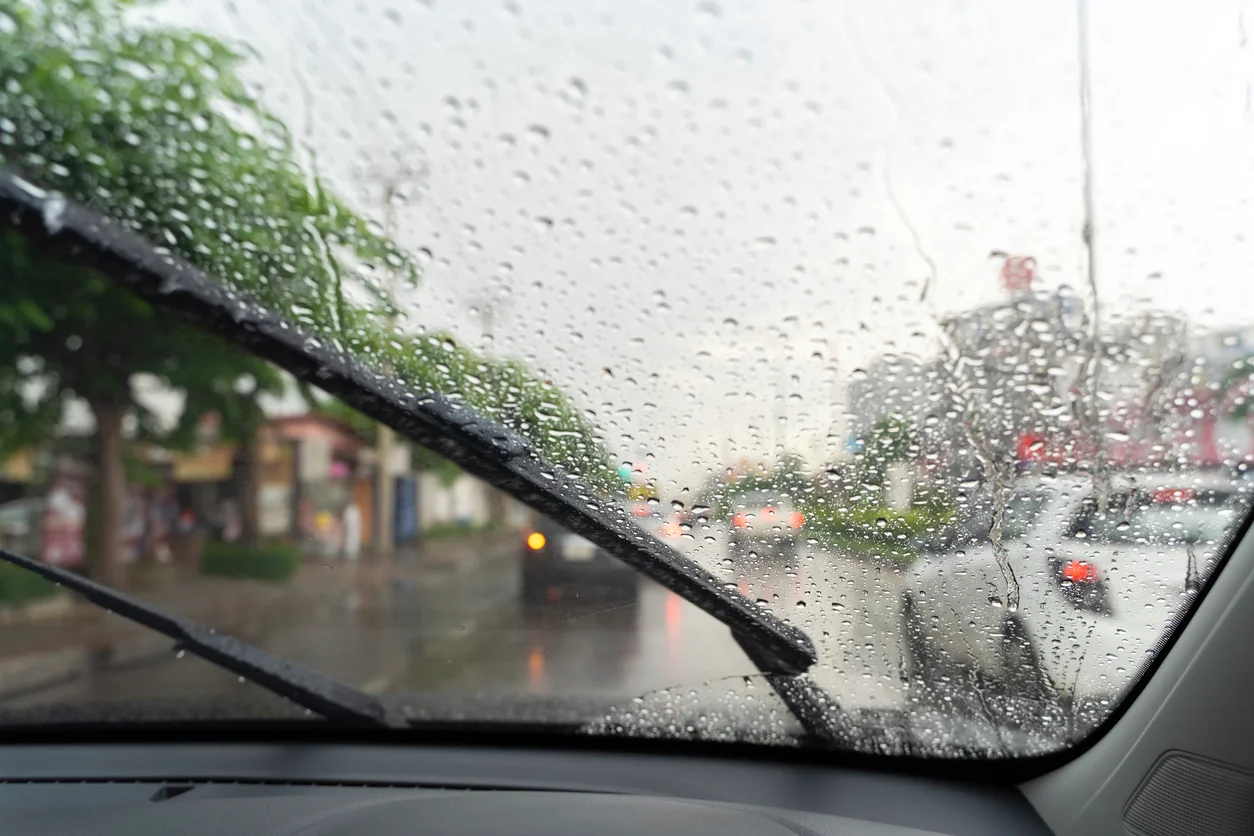
California’s large city density exacerbates risks from rain. In cities such as Los Angeles, heavy traffic on freeways and sudden braking produce chain response collisions. Wet pavement extends stop distances by as many as a handful of car lengths on the highway, which makes being too close enough even more hazardous. During downpours, visibility also drops dramatically. Spray of large vehicles — trucks, for example — can hide smaller cars from sight. Lane markings, especially older reflective paint, can be hard to spot at night when headlights are shining on wet surfaces. The congestion itself adds to crash frequency. Stop-and-go traffic in rain conditions heightens the risk of minor rear-end incidents, which cascade into large-scale multi-vehicle accidents on major freeways.
Speed and Driver Behavior
Even though rain heightens the risk of driving and injury, the driver’s behavior still remains the most important cause of accidents. Speeding is a leading factor in fatal accidents, the National Highway Traffic Safety Administration continues to state, no matter the weather. If you drive at the speed limit, you can still see dangers in heavy rain. In addition, distracted driving is a further threat. Low visibility requires increased attention, and a greater number of accidents during storms happen when drivers drive with a mobile device, or don’t adjust their speeds. California law mandates headlights for drivers during rain time when visibility is inadequate, but compliance is uneven. Poor visibility in conjunction with poor lighting is associated with both intersection crashes and lane-change collisions.
Flooding and Roadway Hazards
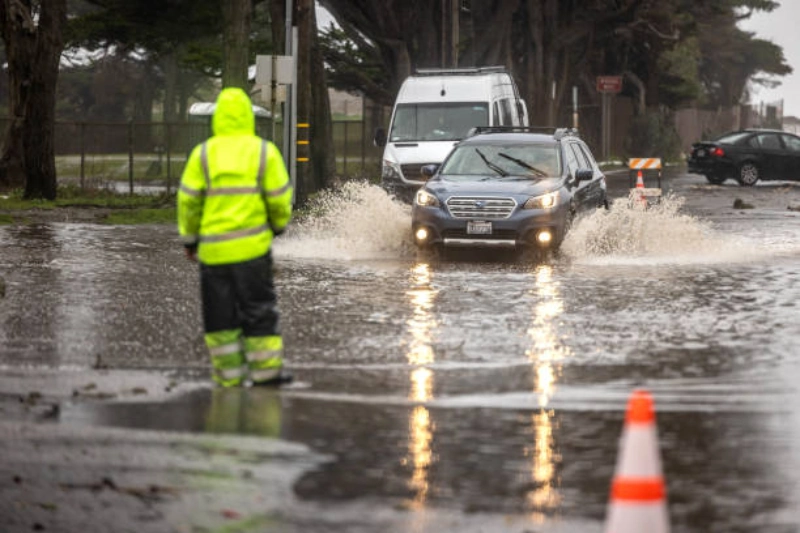
In some parts of California, particularly along the coast and in low-lying areas, heavy rains can lead to localized flooding. Standing water conceals potholes, debris, and lane markings. If you attempt to drive through flooded roads, the resulting engine damage, stalled vehicles, and rescue situations can set you back. Elevated highways with deteriorated tire tread in standing water dramatically increase the hazard of hydroplaning. Shallow water can also give way to loss of steering control at moderate speeds.
Insurance and Liability Dilemmas
Rain, on the other hand, does not excuse negligent driving from a legal perspective. Courts and insurers generally assess whether a driver made the appropriate change to fit the weather. There can still be liability findings when you’re unable to slow things down and keep an acceptable following distance during rain, in reality, and there may even be a weather factor that played a role in your accident. The rear-end behind the driver is generally thought to be at fault in rain-related rear-end wrecking. Complex liability analysis often needs to be performed in multi-vehicle accidents during storms, especially when accidents cause chain reactions on busy freeways.
Conclusion
There are measurable accident hazards associated with rainy-day driving in California, backed by national and state data. Pavement wetness decreases traction, increases stopping distance, and reduces visibility. Oil accumulation and inexperience with wet conditions are especially dangerous during the first storms of the season. Yet weather alone does not cause a crash. Speed, distraction, following distance, and vehicle maintenance are crucial factors in determining the outcome. Drivers who can reduce speeding, increase tire spacing, ensure proper tire tread, or properly use headlights can greatly reduce their risk of exposure to storm impact waves. When the sun isn’t quite as bright as it should be, it’s still safer to prepare well and tread lightly; it’s at least in a state with more sunshine than rain to depend on that, and when the skies eventually open, preparation is the only way to take good care of the plane.
Share this Post
Categories
Archives
- March 2026
- February 2026
- January 2026
- December 2021
- August 2021
- June 2020
- April 2020
- March 2020
- August 2019
- July 2019
- June 2019
- May 2019
- April 2019
- January 2019
- November 2018
- October 2018
- September 2018
- August 2018
- July 2018
- June 2018
- May 2018
- April 2018
- March 2018
- February 2018
- January 2018
- November 2017
- October 2017
- September 2017
- August 2017
- July 2017
- June 2017
- May 2017
- April 2017
- March 2017
- February 2017
- January 2017
- December 2016
- November 2016
- October 2016
- September 2016
- August 2016
- July 2016
- June 2016
- May 2016
- April 2016
- March 2016
- November 2015
- February 2014
- January 2014
- December 2013
- November 2013
- October 2013
- September 2013
