
What Are the Most Common Injuries from T-Bone Crashes?
Among the most treacherous forms of car accidents on the road are T-bone crashes, known as side-impact collisions. The accidents are most common in intersections where one driver runs a red light, disregards a stop sign or refuses to yield the right of way. Since vehicles offer substantially less structural protection toward the passenger’s sides than vehicles have up front or in the rear, the amount of impact is often applied directly to the passenger compartment. These accidents often result in a considerable amount of medical management, lost income and lasting physical or psychological effects. For victims seeking to get back on their feet, even as they negotiate a life plan that includes insurance claims and liability concerns, legal advice from a t-bone accident lawyer might prove crucial. Power Legal Group counsels people with serious accident injuries to investigate where it occurred, who is responsible, and seek recovery in compensation based on the severity of the injuries.
Why T-bone Crashes Can Result in Serious Injuries
In a standard front-end as well as rear-end collision, vehicles are built with crumple areas to absorb a certain amount of force exerted by impact. Side-impact crashes present a completely different set of circumstances. If a vehicle hits the vehicle from its side, it will generally be a door, window and a few inches of frame to separate people from the body parts from the striking car behind. Even today, vehicles equipped with side-impact airbags or reinforced door panels may be hit by forces that can still go straight into where occupants are seated. Often, the person sitting closest to the impact is the most at risk for serious injuries. But that sudden change in sideways motion also can hurt people on the other side of the vehicle. Strong lateral forces do not affect the human body in a positive way. Impacts: A car on its shoulder or elbows places immense stress on the neck, spine, internal organs, and skeleton.
Head and Traumatic Brain Accidents
Head trauma is one of the most serious results of T-bone trauma. Drivers or passengers may bump their heads into the window, door frame, steering wheel or other areas involved in the vehicle’s interior during the collision. Even if there is no obvious external injury, the brain can still suffer serious trauma. Traumatic brain injuries (TBIs) can vary from simple concussions through severe neurological damage. Common symptoms are headaches, dizziness, confusion, blurred vision and memory problems. And some people may have sensitivity to light or noise. In severe cases, brain injuries can also cause lasting cognitive problems, alter personality, and even interfere with sustained attention and with performing everyday life tasks.
Since symptoms themselves do not necessarily come to light immediately, victims will underestimate the severity of their injuries after a crash. In the aftermath of any major crash, medical evaluation is extremely recommended, and this is even more true for a side-impact crash. If injuries are associated with another driver’s negligence, documenting those medical findings can also be an important piece of constructing a personal injury claim.
Neck and Whiplash Injuries
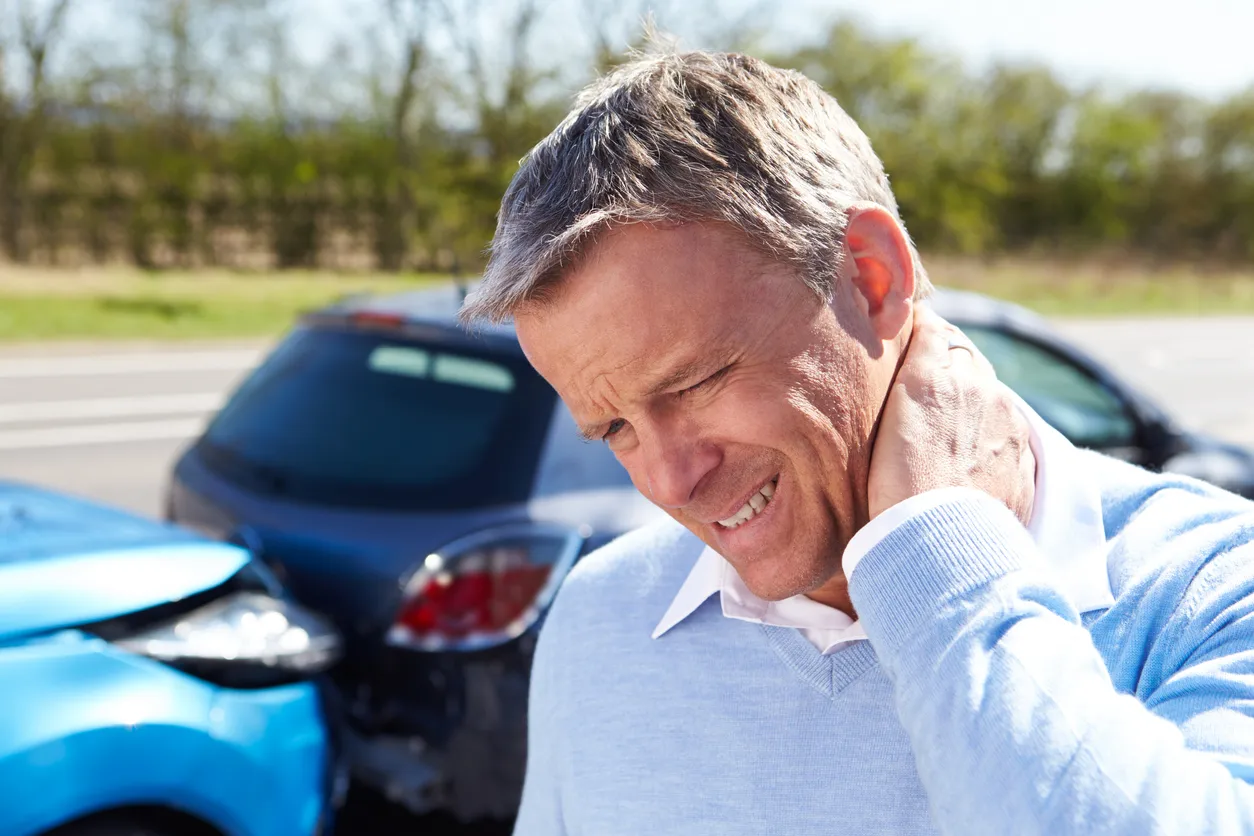
Whiplash most commonly occurs in rear-end collisions; it is also a concern during T-bone collisions. A car hit from the side by a vehicle produces sudden movements that make the neck twist violently in one direction and then snap back in another. This quick movement may also strain muscles, ligaments, and connective tissue in the cervical spine. Victims might complain of neck stiffness, headaches, shoulder pain, or limited range of motion. Although some types of whiplash can get better with time, others become chronic diseases that produce incessant neck pain. Sometimes even cervical discs or nerves—which the object is aimed at—are also injured in the crash. Pain, numbness, or tingling are felt on the arms and shoulders. Since neck injuries will typically become worse if not managed appropriately, immediate treatment is sought by your accident, the doctor. You should also continue to adhere to the recovery plan that was given by the surgeon.
Fractures and Broken Bones
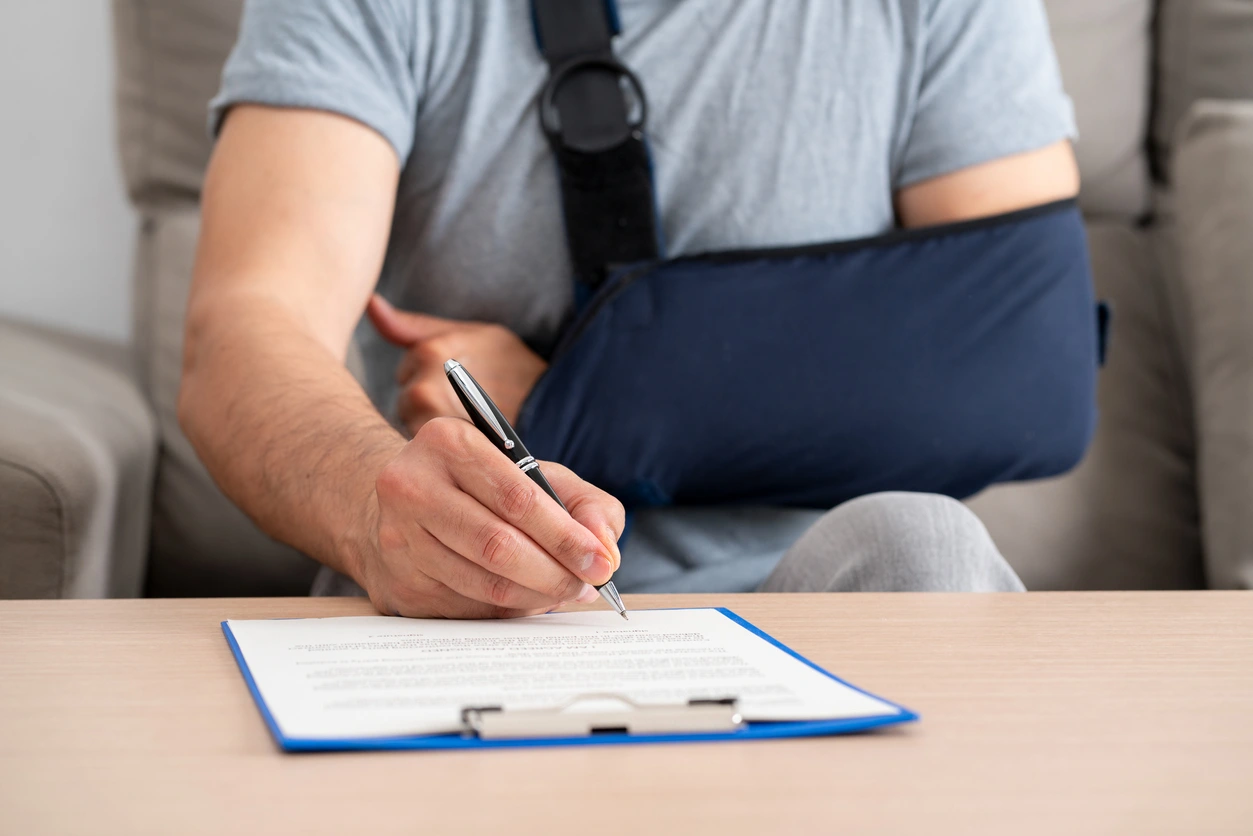
The immediate trauma from a side-impact crash can lead to fractured bones. The most prone are the ribs, arms, shoulders, and pelvis, situated in between the side of the car where a collision occurs, which can impact them first. Rib fractures are fairly common and can cause severe distress in your breathing for a week or two. Fractured ribs may also lead to further complications since they puncture nearby tissue or organs. Pelvic fractures are just one such serious injury that is sometimes seen in T-bone crashes. It is not uncommon for these injuries to go on to require long-term medical treatment and support. Drivers can also break wrists or arms if they brace themselves against the steering wheel when they collide with the car. Even small fractures can impact someone’s ability to work or complete activities of daily living.
Spinal Cord and Back Injuries
The spine is thrown under great stress from the fast sideways movement during the rapid lateral motion, in a T-bone event. Later, the vertebrae and discs that protect the spinal cord can be compressed, fractured or displaced. Herniated discs are one of the most common injuries that occur in a car crash to your spine. If any one of them bulges or ruptures, it may squeeze on nerves surrounding it and cause pain, pain in a constant state, numbness or weakness. A car accident can easily develop serious spinal injuries in an emergency. Back injuries limit movement to a substantial extent and may require both physical therapy, injections, or surgery. Partial and complete paralysis can happen when the spinal cord is injured at the most profound extent in more severe events. Even such injuries need intensive long-term medical care and rehabilitation, making them one of the serious complications of severe side-impact accidents. Internal organ injuries might be especially dangerous because they do not always emerge immediately following a crash.
The blunt force of T-bone strikes can injure critical organs like the liver, spleen, kidneys or lungs. Blood vessels may rupture during impact, resulting in internal bleeding. Hours or even days after the impact, symptoms such as abdominal pain, dizziness, weakness or unusual bruising can begin. A blow to the chest, or broken ribs puncturing lung tissue, can also cause lung injuries. Sometimes victims have a collapsed lung, which might require emergency treatment. Because internal injury can quickly turn deadly, prompt medical treatment following a wreck is extremely important — regardless of the initial onset of symptoms, which can be mild.
Psychological and Emotional Trauma
Injuries from T-bone collisions are not strictly physical. Many victims carry mental scars that may not go away—sometimes long after the accident has happened. For those injured during serious collisions, there’s an anxiety buildup while driving. They may also have sleep problems or post-traumatic stress disorder. In times of mental crisis, people may be haunted by memories of the crash or avoid places where they would be reminded of what happened to them for many years. Emotional trauma may cause major interruptions in daily routines, work, and personal relationships. For some victims, recovery may require counseling or therapy. Psychological effects are real and may be part of the total damages of a particularly catastrophic accident. A t bone accident attorney will usually work with physicians and psychologists to accurately document such effects when a person files a suit.
What Legal Advice Should You Know About T-Bone Crashes
Most types of T-bone crashes are very costly in terms of injuries, medical, and economic loss. It can also complicate who is at fault when the accident is considered. Many side-impact crashes happen at intersections, and drivers may argue about who had the right of way. Insurance carriers also attempt to lower payouts by denying that injuries were worse than claimed or shifting blame among drivers. For people who have had an accident and are currently undergoing medical treatment and rehabilitation, such disputes can become extremely overwhelming. This is where legal advice from someone who knows their case becomes critical. Power Legal Group helps accident victims work through the case of a major accident, obtaining video from traffic cameras and witness statements, as well as consulting medical personnel to figure out exactly how much injury they have suffered. A t-bone car accident lawyer will create a clear record of what happened and what the injuries will prove detrimental to, in addition to the victim’s lifestyle. They can then seek compensation that includes medical costs, rehabilitation costs, lost wages, and long-term recovery needs.

Conclusion
Recovery following an injury from a side-impact collision frequently involves a lot of physical, emotional, and financial strain. The injury and downtime that come with these incidents require extensive medical attention. In the case of people injured in a T-bone crash , knowledge of legal rights and choices can also help on the road to recovery. The way you act, whether obtaining medical treatment or documenting the accident after the fact, can be crucial points in helping shape the path forward. Power Legal Group’s team of t-bone accident lawyers will help in assisting individuals injured in severe car crashes by evaluating claims and legal remedies and even providing legal compensation to those injured from negligence. Accidents are very common. That is why victims must have their financial and legal interests protected and receive adequate legal and medical aid to heal.
Share this Post
Categories
Archives
- September 2026
- August 2026
- June 2026
- May 2026
- March 2026
- February 2026
- January 2026
- December 2021
- August 2021
- June 2020
- April 2020
- March 2020
- August 2019
- July 2019
- June 2019
- May 2019
- April 2019
- January 2019
- November 2018
- October 2018
- September 2018
- August 2018
- July 2018
- June 2018
- May 2018
- April 2018
- March 2018
- February 2018
- January 2018
- November 2017
- October 2017
- September 2017
- August 2017
- July 2017
- June 2017
- May 2017
- April 2017
- March 2017
- February 2017
- January 2017
- November 2016
- October 2016
- September 2016
- August 2016
- July 2016
- June 2016
- May 2016
- April 2016
- March 2016
- November 2015
- February 2014
- January 2014
- December 2013
- November 2013
- October 2013
- September 2013
