
What California Traffic Laws to know as of 2026?
California drivers are coming onto the streets of 2026 with a number of new rules affecting the road and the roadways — all of which can dramatically impact road safety, DUI fines, and speed control. Although several of the laws governing traffic, which have been developed since 2010, as law enforcement procedures and rules are not different from those created by the State of California, show consistent year-on-year, new technologies, changes in new technologies, and different drivers’ driving routines across the state are changing the rules. Whether you’re driving through the traffic in Los Angeles everyday, traveling rural highways in Central California, or figuring out Bay Area streets that aren’t the safest for your vehicle to navigate, hiring a car accident attorney and knowing what these changes look like for you can help you stay out of trouble, make you less liable, and make you safer on a daily basis.
Expanded ‘Move Over and Slow Down’ Requirements
One of the biggest changes since 2010 was the expanded definition of California’s “Move Over and Slow Down” law. Historically, drivers were required to switch lanes or slow down when they approached an emergency vehicle equipped with flashing lights. And by 2026, that duty has expanded. Currently, the rules dictate that drivers must go over or slow down for any stopped vehicle that is displaying hazard lights, flares, reflective warning devices, or emergency signals. Not to mention police cars and ambulances, but also tow trucks, roadside assistance vehicles and disabled passenger vehicles. This rule remains enforced by the California Highway Patrol, which has had several high-speed freeways crash at an emergency call and that led to serious injuries and even deaths. When a change of lane is not possible, because of traffic, the speed should be lowered enough to create a protective buffer. Not complying can lead to fines, points on the driving record, and possibly civil liability if a crash is a concern.
Stiffer DUI Standards and Ignition Interlock Guidelines
California has also beefed up its penalties for impaired driving in 2026. And though DUI laws have been decades in the making, new rules have made the penalties tougher for repeat cases and high blood alcohol concentration (BAC). Ignition interlock device mandates have grown longer for some felony convictions. Drivers must clear a breath test before they can start their vehicles. Mandatory installation periods can be longer for repeat offenders and those involved in injury-related DUI incidents.
Suspensions and restricted license eligibility related to DUI convictions are handled by the California Department of Motor Vehicles. Administrative penalties tend to start as soon as an arrest occurs, apart from criminal court proceedings. Statewide data from the National Highway Traffic Safety Administration consistently shows that impaired driving still remains a leading factor in fatal crashes. California legislators have taken appropriate action, incrementally and gradually stepping up monitoring and enforcement, and strengthening compliance structures to reduce offenders’ recidivism.
Flexibility in Speed Limit Policy
Speed enforcement in California is still changing, especially in school zones and areas with high pedestrian traffic. Now, local jurisdiction has greater powers over reducing speed limits in certain safety corridors, especially near schools and community centers. Before, statutory speed limits regulated how low cities could set particular zones. Updated legislation allows municipalities more leeway when their numbers are supported by engineering and safety studies.
Some school zones could now have reduced limits, like during heavy use hours, to protect children and crossing guards. These adjustments are part of a wider policy trajectory that the California State Legislature is trying to spur to help combat pedestrian casualties and more serious injuries. When it comes to updating signage, drivers should be on the lookout as school zones tend to place a greater level of enforcement and fine escalation.
Automated Enforcement Enrichment Growth
The technology is still dominating traffic in 2026. Several California cities are expanding automated red-light camera practices and piloting speed enforcement tools in their designated corridors. That’s as much as they can afford right now. Red-light cameras capture pictures of vehicles entering intersections after the lights have turned red. Citations are sent to registered owners. Although these programs can be dated, recently introduced laws specify the methods for implementing them locally and standards of compliance for local implementation. There may be jurisdictions testing automated speed enforcement in high-collision spots. In the absence of police on-the-ground presence, these systems monitor for excessive speeding. Privacy precautions and citation protocols are specified for drivers at the local level, but expect additional monitoring in known danger corridors
Changes to Cyclists and E-Bikes
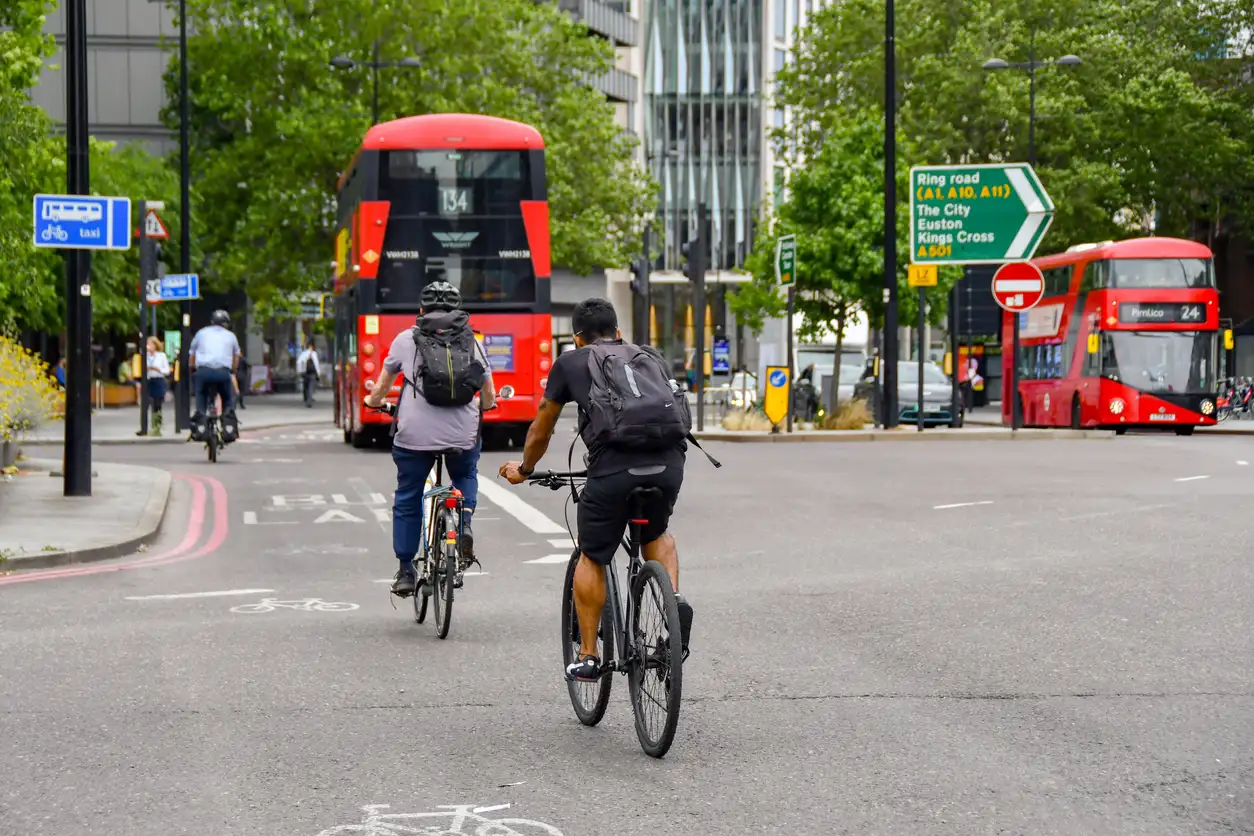
Micromobility is rising in California cities. In response, 2026 traffic laws provide even more clarification of safety for electric bicycles and similar devices in terms of traffic safety requirements. Lighting, reflectors, classification labeling, and other equipment standards are clearer. Depending on classification, a rider who uses higher-speed electric bikes might have age restrictions and helmet requirements. Drivers should also know that cyclists, and e-bike riders when they are required for safety purposes, enjoy full lane use. The changes seek to minimize driver-road user conflicts, particularly in the urban environment, which has more traffic of mixed traffic profile.
The law on distracted driving enforcement is relatively strong. 2026 sees California’s hands-free driving laws firmly in place. Continued emphasis is on enforcement. Drivers are forbidden from holding a phone while driving, even when stopped at a traffic signal. Recent clarifications confirmed that scrolling, texting, and manual input while driving are infractions unless they’re done using approved hands-free systems. A repeat distracted driving charge may earn points on a driver’s record. One of the biggest factors in injury-related crashes in statewide crashes is still distracted driving, and this is why hiring a California car accident attorney. The enforcement of these policies is commonly timed with public awareness programmes, especially when traveling during peak travel times.
License Plate and Registration Compliance with Regulation
Enforcement of registrations has been tightened as well. Automated license plate reader systems are increasingly being used to identify expired registrations and suspended vehicle registrations. Drivers should ensure that current registration stickers display accurately and also that the vehicle insurance is in effect. Administrative holds pending unpaid tolls or parking citations complicate renewal activities. Keeping your paperwork current is important to not get pulled over on the road or to avoid fines.
What Drivers Should Do in 2026
So that part is a big theme for the California traffic violation lawyer updates in 2026 — accountability. From ensuring that stalled vehicles can slide over to complying with ignition interlock requirements, lowered school zone speed limits, or distracted driving, the state has been relentless in prioritizing measurable outcomes for safety. Those drivers can minimize risk by remaining attuned to changed cars being posted, changing behavior during enforcement programs, maintaining clean vehicles, and documenting changes. Current enforcement focuses more and more on technology, so violations are more likely to be found without direct officer contact.
Conclusion
The California traffic laws in 2026 reflect the continued commitment to reducing fatalities, safeguarding vulnerable road users, and making adjustments to new transport technologies; that’s what the rules are aimed at in California during 2026. In-road safety laws in California will focus on the road, shift to more aggressive DUI monitoring, allow greater flexibility in speed limit enforcement, and increase automation to ensure better monitoring and greater use of cameras and other automated enforcement, all of which demonstrate a renewed commitment to prevention. For drivers, the message is clear: Rules are no longer a matter of choice. Staying informed keeps your driving record up, prevents expensive fines, and increases the chance that you won’t get in a collision. In one of the busiest and most complicated states on the map, knowledge and care are your most robust tools when you get behind the wheel.
Share this Post
Categories
Archives
- October 2026
- September 2026
- August 2026
- June 2026
- May 2026
- March 2026
- February 2026
- January 2026
- December 2021
- August 2021
- June 2020
- April 2020
- March 2020
- August 2019
- July 2019
- June 2019
- May 2019
- April 2019
- January 2019
- November 2018
- October 2018
- September 2018
- August 2018
- July 2018
- June 2018
- May 2018
- April 2018
- March 2018
- February 2018
- January 2018
- November 2017
- October 2017
- September 2017
- August 2017
- July 2017
- June 2017
- May 2017
- April 2017
- March 2017
- February 2017
- January 2017
- November 2016
- October 2016
- September 2016
- August 2016
- July 2016
- June 2016
- May 2016
- April 2016
- March 2016
- November 2015
- February 2014
- January 2014
- December 2013
- November 2013
- October 2013
- September 2013
